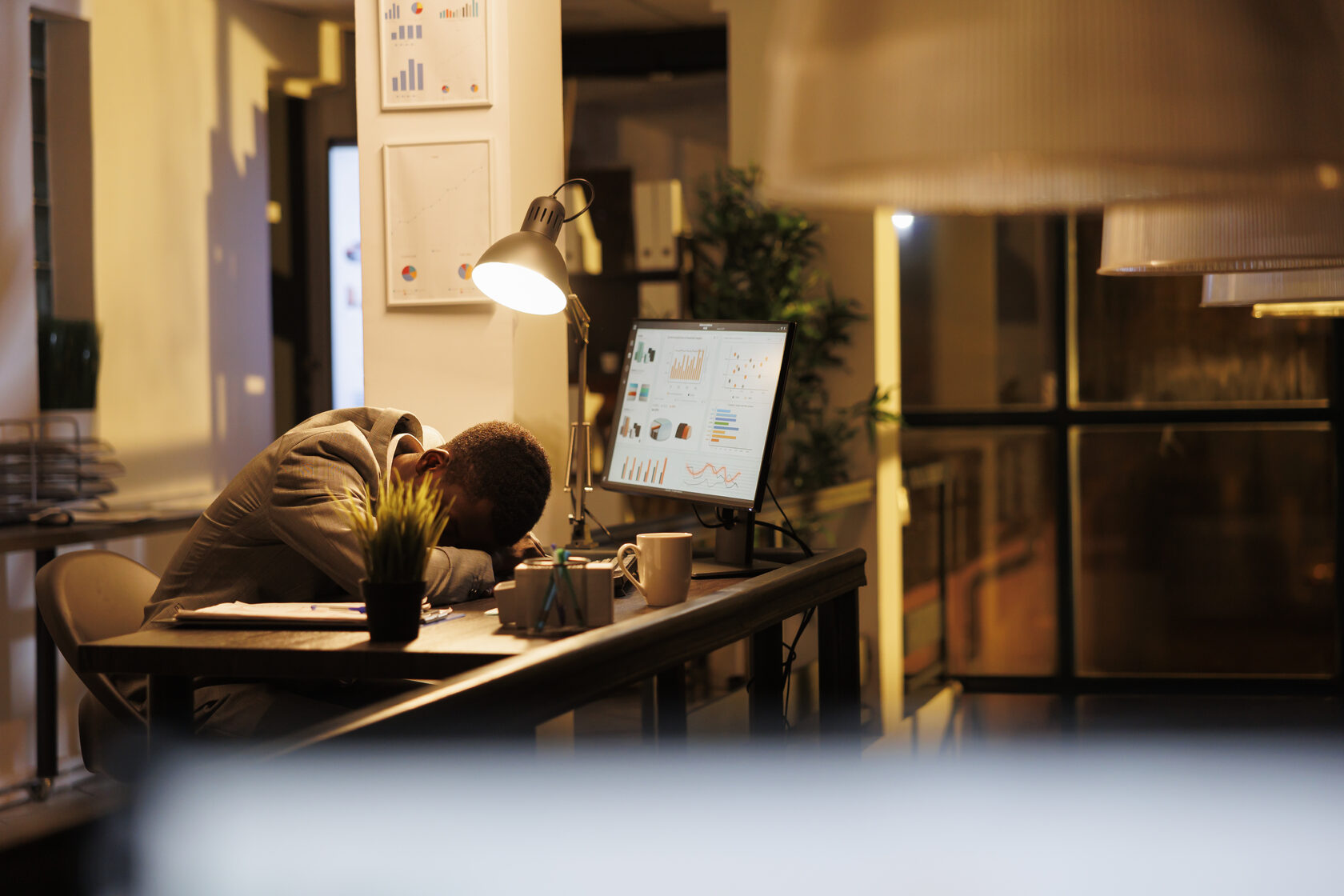
The Burnout-Proof Office: How Workplace Design Supports Employee Wellbeing
Why Office Design Matters More Than Ever
Employee burnout has become one of the biggest workplace challenges today. While workload often gets the blame, research increasingly shows that the work environment itself plays a major role in stress, fatigue, and productivity.
Noise, constant interruptions, lack of privacy, poor lighting, and limited flexibility can all contribute to cognitive overload. As organizations rethink the future of work, office design is becoming a powerful tool for improving employee wellbeing and performance.
1. Natural Light Improves Focus and Reduces Fatigue
Natural light remains one of the most effective ways to improve the workplace experience.
Studies show that employees working in daylight-rich environments experience lower stress levels, fewer headaches, and better concentration. As a result, modern office design increasingly prioritizes layouts that maximize access to natural light throughout the workspace.
2. Biophilic Design Supports Wellbeing
Bringing nature into the office has proven benefits for both mental health and productivity.
Plants, natural materials, greenery, and calming textures help create restorative environments that reduce stress and improve creativity. Biophilic office design is becoming a key element of employee-centered workplaces worldwide.
3. Acoustic Comfort Is Essential for Productivity
Open-plan offices often create constant distractions that make focused work difficult.
Research shows that noise interruptions significantly impact concentration and productivity. This is why more organizations are investing in:
- Acoustic office pods
- Quiet work zones
- Sound-absorbing materials
- Private meeting spaces
Providing employees with access to quiet, distraction-free environments supports both wellbeing and performance.
4. Flexibility Reduces Workplace Stress
Employees increasingly expect flexibility in how and where they work.
Modern workplaces support this through a mix of collaboration areas, focus spaces, wellness zones, and hybrid work solutions. Giving employees greater control over their work environment helps reduce stress and improve engagement.
5. Offices Should Support Connection
Workplace wellbeing is not only about focus — it is also about belonging.
Shared lounges, informal meeting areas, and social spaces encourage collaboration and help employees build stronger relationships. Research consistently links workplace connection to higher engagement and retention.
6. Wellness Is Becoming Part of Office Infrastructure
Leading organizations are embedding wellbeing directly into workplace design through:
- Ergonomic furniture
- Flexible layouts
- Natural light
- Acoustic comfort
- Wellness and recovery spaces
Healthy workplaces are increasingly viewed as a business investment rather than an employee perk.
How WorkBooth Supports Healthier Workplaces
Creating a burnout-resistant office does not always require a complete redesign.
WorkBooth acoustic pods provide employees with private, comfortable spaces for focused work, virtual meetings, and uninterrupted concentration. By reducing noise distractions and increasing workplace flexibility, organizations can create environments that support both productivity and employee wellbeing.