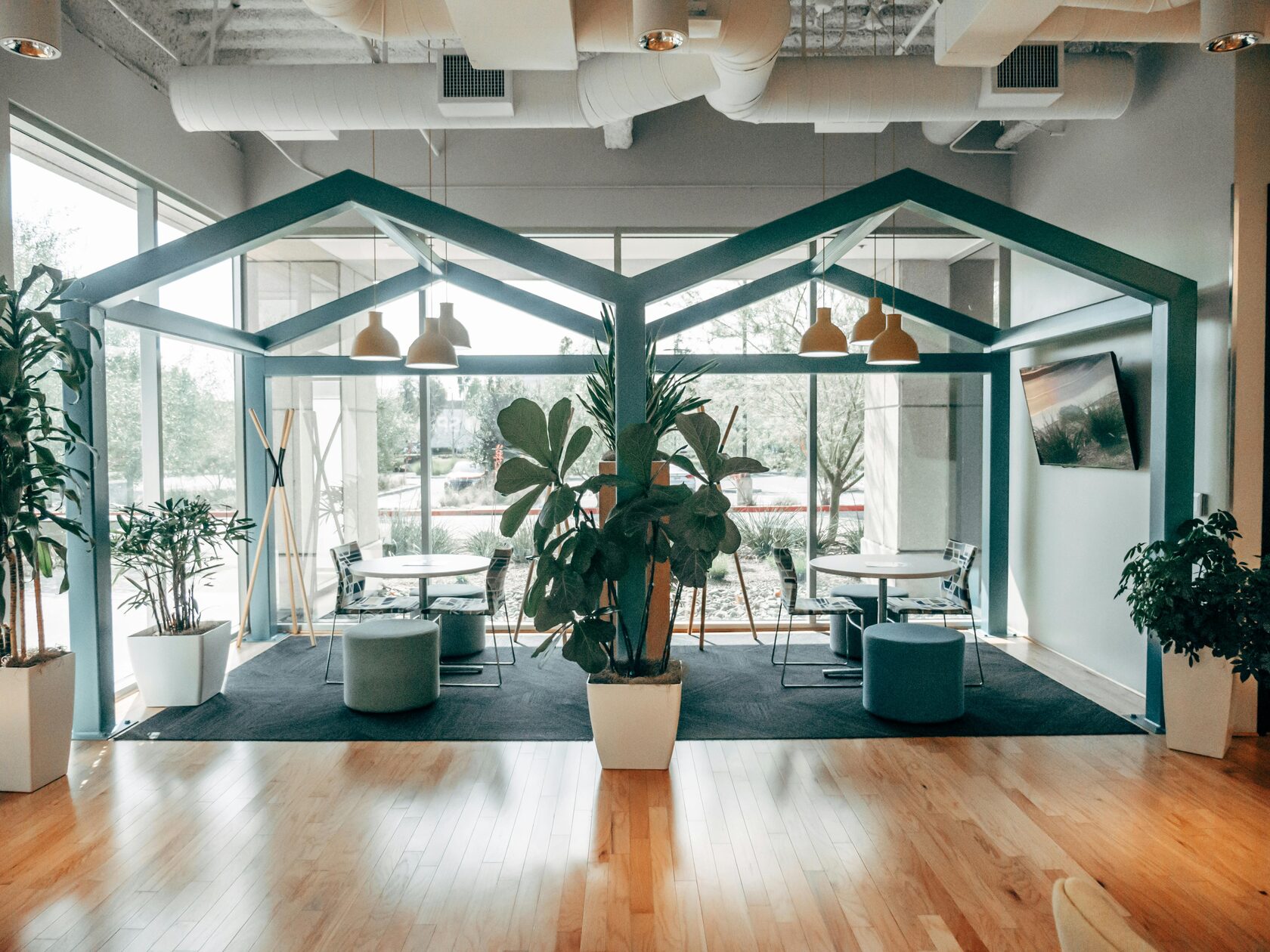
How Workplace Design, Flexibility, and Employee Experience Shape the Future of Office Productivity
As hybrid work models become the global standard, employee attitudes toward the office are shifting. According to new global research by JLL, 72% of employees now view return-to-office (RTO) policies positively.
However, this growing acceptance comes with a clear condition:
the modern workplace must improve.
Today’s employees expect offices that support:
- Workplace flexibility
- Employee wellbeing
- Productivity and focus
- A better overall employee experience
The Office Is No Longer Just a Place — It’s a Performance Environment
JLL’s 2025 Workforce Preference Barometer, based on 8,700 employees across 31 countries, highlights a key shift in workplace strategy:
The office is no longer a default location — it must justify its value.
Acceptance of office policies is strongly linked to the quality of workplace design:
- 84% of employees satisfied with their workplace feel positive about office attendance
- Only 48% of dissatisfied employees support these policies
This shows a clear trend:
Better office environments lead to higher engagement and compliance
Better office environments lead to higher engagement and compliance
Why Workplace Design Directly Impacts Office Productivity
Employees who respond positively to office requirements typically work in environments that offer:
- High-quality office design and layout
- Strong workplace culture
- Access to quiet, focused workspaces
- Opportunities for collaboration and growth
In these environments:
- 50% say the office improves teamwork
- 43% prefer working from the office
By contrast, negative perceptions are rarely about policies themselves.
They are driven by poor workspace environments, including:
- Lack of privacy
- Noise and distractions
- Limited flexibility
- Weak wellbeing support
38% of Employees Say Offices Still Need Improvement
Despite progress, more than one-third of employees believe their office environment does not meet expectations.
The biggest gaps in modern workplace design include:
- Insufficient support for hybrid work
- Lack of flexible workspaces
- Poor acoustic conditions and distractions
- Limited access to private areas for calls and focused work
This is where workspace design and acoustic solutions become critical.
Work-Life Balance Is Now a Core Business Priority
While salary remains important, work-life balance is now a top driver of employee retention:
- 65% of employees prioritize balance (up from 59% in 2022)
- 57% say flexible hours would improve quality of life
However, only about half of employees currently have access to flexible working models.
This gap highlights the need for:
- Smarter workplace design strategies
- More adaptive office environments
- Spaces that support both focus and flexibility
Wellbeing and Productivity Are Closely Connected
The research shows a slight improvement in employee wellbeing, with fewer workers reporting burnout.
However, stress levels remain high — especially among caregivers.
Key challenges include:
- Balancing personal responsibilities with office expectations
- Lack of control over work environment
- Limited access to quiet, restorative spaces
Modern offices must support:
- Employee wellbeing
- Reduced cognitive load
- Access to private, distraction-free work areas
The Future Office Must Deliver What Home Cannot
Hybrid work has permanently changed expectations.
Employees no longer come to the office by default — they come for specific value:
- Collaboration
- Social connection
- Professional growth
- High-quality work environments
To compete with home offices, companies must invest in:
- Flexible office design
- Acoustic office pods and phone booths
- Spaces for both collaboration and deep focus
- Technology-enabled, comfortable environments
How WorkBooth Solves Modern Workplace Challenges
One of the biggest barriers to office productivity today is lack of privacy and constant distraction.
This is where acoustic office pods and phone booths provide immediate impact.
Solutions like WorkBooth cabins help organizations:
- Create quiet workspaces for deep focus
- Enable private calls and meetings
- Reduce noise in open-plan offices
- Improve overall employee experience
- Support hybrid and flexible work models
Unlike traditional renovations, these solutions can be implemented quickly — adding flexibility to existing office layouts without structural changes.
Conclusion: Better Offices Drive Better Performance
The message from global workforce data is clear:
Employees are willing to return to the office — but only if the office works for them.
Organizations that invest in:
- Modern workplace design
- Flexible environments
- Employee wellbeing
- Acoustic and focus solutions
will see higher:
- Engagement
- Productivity
- Retention
The future of work is not about forcing attendance.
It’s about creating workplaces people actually want to use.